Northala Fields moves: parking and access tips
Posted on 22/05/2026
Trying to organise a move near Northala Fields can feel simple on paper and oddly fiddly in real life. The roads look manageable, the green spaces are open, and then you remember the part nobody loves: parking the van, getting close enough to load safely, and making sure access does not eat into your moving day. That is where Northala Fields moves: parking and access tips really help. Get the arrival plan right, and the rest of the job feels calmer, quicker, and much less chaotic.
This guide breaks down the practical side of moving in and around Northala Fields: where access can be tight, what to check before the van arrives, how to avoid wasted trips, and when it makes sense to use a professional local crew. If you are moving a flat, clearing a family home, or shifting bulky furniture, a bit of preparation goes a long way. Truth be told, a smooth move is often just a well-planned parking decision.
Why Northala Fields moves: parking and access tips Matters
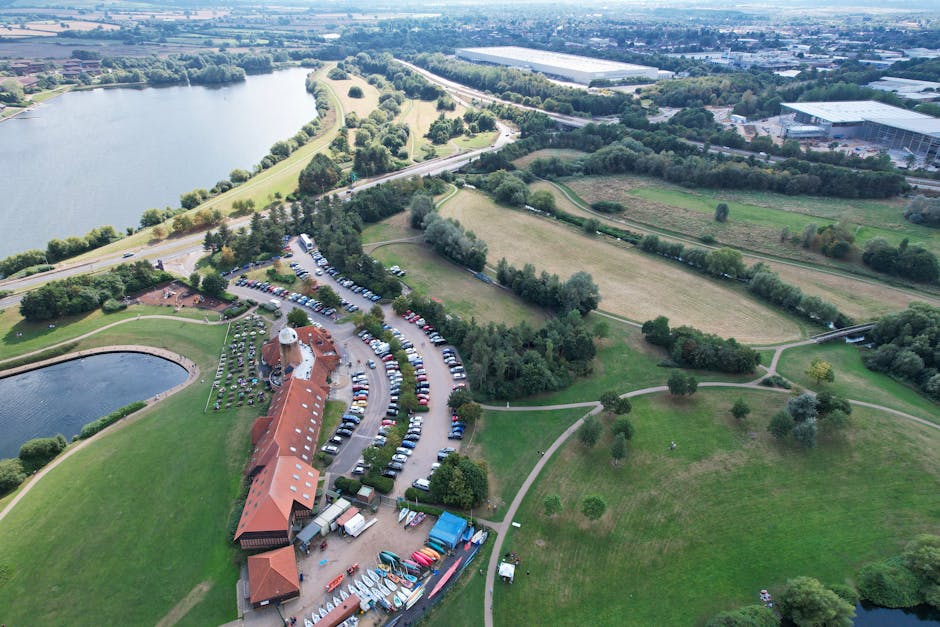
Northala Fields sits in a part of Northolt where the surroundings can change quickly from open parkland to residential streets, apartment blocks, and busier connecting roads. That mix is exactly why parking and access deserve real attention. A removal van that cannot stop close to the property means longer carries, more lifting, more risk, and a move that drags on past lunchtime.
Small access issues create big knock-on effects. A narrow entry gate, a shared driveway, a busy school run, or a van that blocks the wrong kerb space for five minutes can slow the whole job. And because moves often involve tired people, awkward boxes, and furniture that seems heavier when you are already on move day, even minor delays can turn annoying pretty fast.
For local moves, the aim is not only to get from A to B. It is to do it without damage, stress, or endless shuttling. That is why many people planning local removals in Northolt focus on the approach route first, then the lifting, then the packing. Good order. Sensible order.
How Northala Fields moves: parking and access tips Works
At a practical level, this kind of planning is about matching the van, the route, and the property conditions to one another. You are trying to answer three basic questions before moving day: Can the van stop safely? Can items be carried out without obstacles? Will the plan still work if something changes?
Start with the approach to the property. Look for the obvious things first: curb space, width of the street, height restrictions, corners, speed bumps, and whether other vehicles tend to block access during certain hours. Then think about the path from the front door to the van. Steps, gravel, a narrow hallway, a shared lobby, or a lift that is just a bit too small for a wardrobe all matter.
If you are using a man with a van in Northolt, the driver will often want a clear picture of the access conditions before arrival. That does not mean you need to provide a perfect map of the universe. But a quick description of the parking situation, any height barriers, and whether the property sits on a main road or tucked away behind a side entrance helps a great deal.
For apartment moves, it is also smart to consider how residents and neighbours use the space. A shared entrance or small estate road may need a bit of courtesy planning, especially at peak times. Nobody wants to block a nursery pick-up lane while wrestling a sofa. Well, nobody sensible anyway.
Key Benefits and Practical Advantages
Getting parking and access right does more than save time. It changes the quality of the whole move. Here are the main advantages people notice first:
- Less lifting distance, which reduces fatigue and lowers the chance of bumps and scuffs.
- Faster loading and unloading, especially for heavy furniture or multiple trips.
- Lower risk of property damage to walls, banisters, floors, and vehicle panels.
- Better timing, which matters if you have key handover deadlines or building access windows.
- Less stress, because everyone knows where to park and which route to use.
There is also a subtle benefit that people sometimes miss: smoother access helps the movers think clearly. When the route is predictable, they can stack items better, sequence the load more effectively, and avoid those awkward pauses where everyone stands around wondering whether the side gate opens inward or outward. Little things, but they add up.
If your move includes fragile or specialist items, access planning matters even more. A piano, for instance, is not something you want to manoeuvre through a cramped entrance after a poor parking decision. If that sounds familiar, it is worth reviewing piano removals support in Northolt before the moving date, because specialist handling and route planning go hand in hand.
Who This Is For and When It Makes Sense
This guide is useful for quite a broad group of movers, but it is especially relevant if any of the following apply:
- you are moving from a flat or maisonette with limited outside space;
- your street is busy, narrow, or usually half-full of parked cars;
- you have larger items like wardrobes, beds, sofas, or appliances;
- you are moving during a time window with tight access;
- you want to avoid repeated carrying over long distances;
- you are coordinating helpers who may not know the area well.
Students and short-notice movers often underestimate access issues because the focus is usually on speed. But with a bit of prep, student removals in Northolt can be far less frantic than they first seem. Families moving a full house tend to have the opposite challenge: too many items, not enough time, and a driveway that turns out to be narrower than expected. Either way, the same principle applies. Make access boring. Boring is good.
If you are moving office equipment, access planning becomes about more than convenience. You may need to think about delivery bays, lift bookings, building management rules, and the movement of desks or filing units at off-peak times. In those cases, professional office removals in Northolt can save a lot of back-and-forth.
Step-by-Step Guidance
Here is a practical way to plan a Northala Fields area move without overcomplicating it.
- Check the route first. Walk or drive the likely approach before moving day if you can. Look for low branches, awkward bends, roadworks, or temporary parking pressure.
- Measure the obvious pinch points. Doorways, stairwells, lift doors, gates, and narrow halls are the usual trouble spots. A tape measure is boring, but very useful.
- Decide where the van can safely stop. Aim for the shortest practical carry that still keeps everyone safe and leaves room for other road users.
- Check whether any permits or permissions may be needed. Depending on the street or estate, parking arrangements can vary. Do not assume the nearest space will be available just because it usually is.
- Prepare the property for easy movement. Move loose rugs, clear hallways, open gates, and protect floors if needed. That single step can save a lot of awkwardness.
- Stage items near the exit. Group the first-load items together, with heavier furniture placed where it can be reached without a shuffle.
- Communicate clearly on the day. A simple call or message about the van's arrival, the access point, and any changes is often enough.
One helpful habit is to do a quick "arrival rehearsal" the day before. Stand at the front door and imagine carrying a washing machine, a bed base, or three heavy boxes through the space. Where do elbows catch? Where does the corner feel tight? That little mental walk-through often reveals the problem before it becomes one.
If you have not sorted the boxes yet, a service like packing and boxes in Northolt can help you get the load organised properly, which makes access planning easier too. Pack badly, and even a good parking spot starts to feel too far away.
Expert Tips for Better Results
After enough moves, a few patterns become obvious. The smoothest jobs are usually the ones where somebody has thought one step ahead. Not in a dramatic way. Just enough to prevent avoidable chaos.
Use the shortest safe carry, not the closest possible stop. Sometimes the spot by the entrance looks ideal, but it blocks turning room or forces the team to lift around traffic. A space twenty metres further away can be far better if it gives you a straight, clear path.
Plan for the heaviest item first. Sofas, mattress sets, wardrobes, and fridges often decide the route. If those fit comfortably, the smaller boxes usually follow. For awkward furniture, it may help to read about furniture removals in Northolt, because furniture handling often dictates the access plan.
Keep the loading area uncluttered. A pavement full of bags, tools, or loose packaging creates trip hazards and slows the team down. One clear staging zone near the door is much better than three half-finished piles everywhere.
Use protective materials where needed. Door frame guards, blankets, and floor runners are not just for show. They stop those minor scrapes that are annoyingly visible in daylight. You know the sort.
Ask about vehicle size early. A removal van that is too large for a tight street creates one problem. A van that is too small creates six. There is a balance to get right, and it is worth discussing before arrival.
For more general move preparation, it can also help to review stress-free house move advice and packing practices for home transitions. Those guides pair nicely with access planning because a tidy load is always easier to move through a tight space.
Expert summary: The best access plan is usually the one that reduces carrying distance, keeps the route straight, and leaves enough room for safe lifting. If a space looks convenient but creates awkward manoeuvres, it is rarely the right choice.

Common Mistakes to Avoid
Plenty of moving-day problems are self-inflicted, if we are honest. The good news is that most of them are easy to prevent once you know what to look for.
- Assuming parking will be available. Streets around residential areas can fill quickly, especially in the morning.
- Ignoring distance from van to door. Ten extra metres sounds minor until you multiply it by twenty trips.
- Forgetting about the return journey. You need a plan for unloading at the new place as well, not just the pick-up point.
- Leaving large furniture until last. That is how a move ends with tired people, a blocked hallway, and not enough daylight.
- Not checking lifting safety. Slippery shoes, poor grip, and rushed lifting are a bad combination.
- Not warning the movers about access quirks. If there is a locked gate, steep steps, or a tight bend, say so early.
A surprisingly common issue is underestimating the weather. Rain makes steps slick, cardboard softens, and footpaths can feel a bit treacherous. Even on a mild London morning, you can go from dry to damp very quickly. So yes, a wet-day plan is sensible, not paranoid.
If you are moving something especially heavy, it is worth brushing up on safe lifting and injury prevention and how to handle heavy objects more safely. A small tweak in technique can make a big difference.
Tools, Resources and Recommendations
You do not need a mountain of gear to plan access properly, but a few simple tools help a lot:
- Tape measure for doors, halls, and lift openings.
- Phone camera to photograph parking bays, entrances, and tight corners for the removal team.
- Notepad or moving checklist to keep access notes in one place.
- Protective blankets and straps for furniture and safe loading.
- Box labels so the first items out are easy to spot.
- Floor protection if the route includes delicate flooring or freshly cleaned spaces.
If you need temporary storage because access timing does not line up neatly with your move-out and move-in dates, a local option such as storage in Northolt can be useful. That is especially true if the new property has restricted access hours or if you are waiting for clearance, keys, or decoration work to finish.
For larger, bulkier pieces, a specialist removal van in Northolt can make a real difference because the right vehicle and loading setup can reduce repeated trips and awkward reshuffling. And if you want a broader picture of available support, the services overview is a sensible place to compare options.
Law, Compliance, Standards, or Best Practice
For most home moves, the main compliance issue is not a complicated legal one. It is about using roads, footpaths, and property access responsibly and safely. That means parking without creating a hazard, avoiding blocked driveways, and respecting any local parking controls or estate rules that apply.
Where parking restrictions, permit zones, or loading limitations exist, it is best to check the relevant local guidance rather than guessing. Rules can differ from one street to the next, and enforcement can be very matter-of-fact. Nobody wants a moving day surprise in the shape of a fine or a blocked van.
From a best-practice point of view, reputable removal teams should work with clear access information, handle items carefully, and use reasonable precautions to protect the property and the crew. If you want a better feel for how a professional outfit approaches that side of the job, it is worth reviewing the company's health and safety policy and insurance and safety information. That is not just box-ticking. It tells you how seriously they take the practical side of the move.
Accessibility is another part of good practice. If anyone in the household has limited mobility, or if the building has step-free concerns, lifts, or entrance restrictions, plan for those early. A quick review of the accessibility statement may be useful if you are comparing service expectations and communication standards.
Options, Methods, or Comparison Table
There is more than one way to handle a local move near Northala Fields. The right choice depends on what you are moving, how far the van needs to carry items, and how tight the access is. Here is a simple comparison.
| Approach | Best for | Pros | Trade-offs |
|---|---|---|---|
| DIY with a borrowed vehicle | Small loads, flexible timing | Lower immediate cost, simple for a few boxes | More lifting, more risk, parking stress is on you |
| Man and van support | Medium loads, local moves, flats | Practical, quick, easier access handling | Still needs clear parking and route planning |
| Full removal service | Larger homes, bulky furniture, tighter deadlines | More hands, better coordination, less physical strain | Usually more planning upfront |
| Split move with storage | Delayed keys, renovation gaps, awkward timings | Reduces pressure if access dates do not line up | Requires extra organisation and timing discipline |
For many people, the middle ground is best. A local van with proper loading help often gives enough support without feeling over-engineered. If the move is bigger, a more complete service makes life easier. And if you are comparing offers or trying to stay within a budget, the pricing and quotes page is a useful next step.
Case Study or Real-World Example
Imagine a couple moving out of a second-floor flat near Northala Fields on a Friday morning. The street has on-street parking, but most spaces are already taken by residents who left for work early. The first plan was to park right by the entrance, but that space is occupied by the time the van arrives.
Instead of forcing a messy stop, the team uses a space a little further along the road, where the van can park straight and safely. That means a slightly longer carry, but a cleaner route with fewer turns and less reversing. The hallway is cleared in advance, the lift is booked, and the biggest items are loaded first. A mattress, two wardrobes, and several boxed kitchen items go out in a calm sequence rather than a frantic scramble. Nothing dramatic. Just good decisions made early.
There was one small snag: a narrow corner near the front door. Because the movers had already checked the route and moved a planter that would have blocked the turn, the job still stayed on track. A little thing, really, but exactly the kind of little thing that can unravel a move if nobody spots it.
If that example sounds familiar, it is because many local moves have this shape. The problem is rarely one huge obstacle. It is a handful of small access details that either line up neatly or get in the way one by one.
Practical Checklist
Use this before the van arrives. It is simple, but it catches a lot.
- Confirm the moving date and arrival window.
- Check parking options near both addresses.
- Measure doors, hallways, stairs, and lift access.
- Tell the movers about any steep paths, steps, gates, or barriers.
- Clear the route from door to van.
- Protect floors and fragile surfaces where needed.
- Stage the first-load items near the exit.
- Keep keys, documents, and essentials in one easy-to-reach bag.
- Review weather conditions and plan for rain if necessary.
- Have a backup parking idea, just in case the first one is gone.
Checklist done. And honestly, that alone removes a lot of the day-one wobble.
Get a free quote today and see how much you can save.
Conclusion
Northala Fields moves are usually straightforward once parking and access are thought through properly. That is the whole trick. The area does not have to be difficult, but the difference between a smooth move and a tiring one often comes down to a few practical choices made before the van turns up.
Plan the stop. Measure the route. Clear the path. Warn the movers about anything awkward. If you do those things, you will save time, reduce risk, and make the day feel much more under control. A move should still feel like a move, of course, but it should not feel like a puzzle you are solving while carrying a sofa.
If you are preparing for a local relocation, a flat clear-out, or a bigger house move, combine access planning with good packing, safe lifting, and a service level that fits the job. For extra support, you can also browse man and van support in Northolt or review house removals in Northolt if the move is larger than expected. A little planning now usually pays you back on the day.
And when everything is finally in place, there is a nice moment of quiet. Boxes stacked. Kettle found. Street outside calm again. That part is worth aiming for.