Ealing Council bulky item rules Northolt residents must know
Posted on 06/07/2026
If you live in Northolt, bulky waste can turn from a simple clear-out into a frustrating little admin puzzle very quickly. A sofa in the hall, a mattress leaning in the spare room, an old freezer humming away in the garage - it all has to go somewhere, and not every option is allowed or sensible. This guide on Ealing Council bulky item rules Northolt residents must know breaks down the practical side of getting rid of large household items without stress, confusion, or avoidable problems.
We'll cover what bulky items usually are, how council collection systems tend to work, what to check before you book, where people often go wrong, and when a private removal or bulky waste removal in Northolt makes more sense. If you're clearing a flat, moving house, or just trying to reclaim the dining room before Monday morning, this should help you make a cleaner decision. Let's face it, nobody wants a broken wardrobe sitting by the front step for three days.
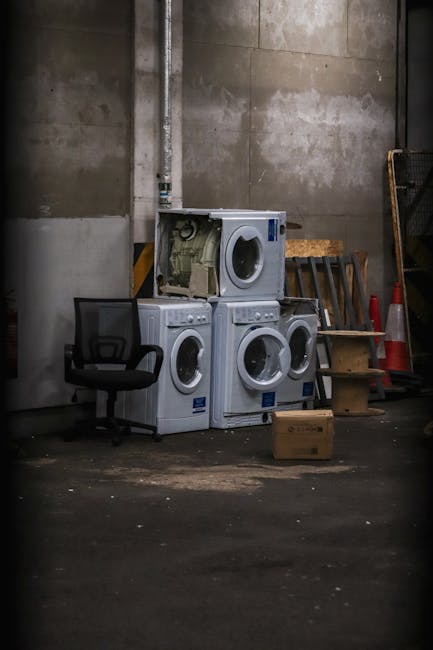
Why Ealing Council bulky item rules Northolt residents must know Matters
Bulky items are usually the awkward ones: too large for normal household collections, too heavy to drag to the kerb in one go, and too tempting to "deal with later". In Northolt, that delay can cause real headaches. Items left outside at the wrong time can create neighbour complaints, attract fly-tipping risks, and make shared entrances or pavements messy fast.
For households on tighter London streets, the issue is also practical. A settee or old wardrobe can block hallways, stairwells, and building exits. If you live in a flat, you may already know how quickly a single oversized item becomes everyone's problem. A good rule of thumb: if moving it requires planning, equipment, or two people with a decent grip, treat it as bulky from the start.
There's also the money angle. People often assume the cheapest route is to drag items out and hope for the best. Usually it isn't. One misstep can lead to wasted time, extra labour, or disposal costs that were entirely avoidable. If you're already juggling a move, you may find related advice useful in urgent tenancy moveouts in Northolt, because the same timing pressure tends to appear again and again.
Expert summary: The safest approach is to identify bulky items early, confirm how they can be collected or removed, and avoid leaving anything on the street without a clear plan. Small delay, big mess. That's usually how it goes.
How Ealing Council bulky item rules Northolt residents must know Works
The exact process can change, so the sensible move is always to check current council guidance before acting. Still, the general structure is familiar across most London borough systems. You usually need to identify the item, confirm whether it qualifies as bulky waste, arrange a collection or approved drop-off method, and follow any preparation rules the council sets.
In practical terms, the rules usually focus on a few basics:
- whether the item is household bulky waste and not general rubbish
- how many items can be included in one booking
- where the items should be placed for collection
- what materials are not accepted or need separate handling
- whether the item must be dismantled, bagged, or made accessible
Northolt residents should also think about access. A bulky item collection can be straightforward on a ground-floor property with front access, but a third-floor flat with a tight stairwell is another matter entirely. If the item cannot be moved safely without risk of damage or injury, that changes the whole calculation. For households dealing with large furniture, the article on furniture through narrow stairwells in Northolt homes is worth a look.
Another detail people sometimes miss: some items, especially electricals, may be treated differently from standard furniture. A freezer, for instance, may need special handling. If you've got one sitting unused and unplugged, have a read of storing an unused freezer effectively before you decide whether to move, store, or remove it. It sounds niche, but in real life this comes up a lot.
The safest habit is simple: don't assume. Check the collection rules, confirm any preparation steps, and keep the item accessible on the day it's meant to go. A five-minute check can save a week of annoyance.
Key Benefits and Practical Advantages
Following the right bulky item process is not just about staying on the right side of the rules. It also makes the whole job easier, cleaner, and less physically demanding.
- Less risk of fines or complaints: Items left out carelessly can become a nuisance quickly.
- Better safety: Proper planning reduces lifting injuries and awkward carrying.
- Cleaner property handover: This matters a lot if you're moving out or ending a tenancy.
- Less damage to walls and floors: Oversized furniture tends to scrape, knock, and chip when rushed.
- More recycling potential: Some items can be reused, donated, or processed more responsibly if sorted properly.
There's a quieter benefit too: mental space. A room feels lighter once the old sofa, busted chest of drawers, or redundant bed frame is gone. It is oddly satisfying. You notice the difference at once - more light, more floor, less visual clutter.
If your clear-out is part of a bigger move, smart disposal links closely with packing and timing. A guide like packing practices for home transitions can help you sequence the job so you are not tripping over boxes and old furniture at the same time.
Who This Is For and When It Makes Sense
This topic matters to more people than you might think. It is not just for homeowners with a shed full of junk. In Northolt, bulky item rules affect tenants, landlords, students, families, flat-sharers, and anyone clearing a property after a move, refurbishment, bereavement, or tenancy end.
You may need to act on bulky item rules if you are:
- moving house and don't want to pay to move damaged or unwanted furniture
- replacing a mattress, sofa, wardrobe, or old appliance
- clearing an inherited property
- preparing a rental for check-out inspection
- trying to empty a storage room or garage
- managing a flat with limited lift or stair access
Students and short-term renters often underestimate how much trouble one bulky item can cause at the end of a tenancy. If that sounds familiar, the local service page for student removals Northolt may be useful as part of the wider planning picture. Not because everyone needs a removal crew for one chair, of course, but because tenancy timelines tend to be cramped and unforgiving.
It also makes sense to think ahead if you already know the item is difficult to shift safely. A heavy piano, for example, is not an improvised weekend job. If you're dealing with one, this article on hiring movers for your piano's journey explains why specialist handling matters.
Step-by-Step Guidance
Here is the most practical way to handle bulky item disposal in Northolt without turning it into a last-minute scramble.
- List the items one by one. A sofa, mattress, cot, desk, and broken freezer may all be handled differently.
- Check whether the item is reusable, repairable, recyclable, or true waste. If it can still be passed on, that is often worth exploring first.
- Measure the item and the route out of the property. Staircases, door widths, and lift size matter more than people expect.
- Confirm the collection rules. Look at accepted items, preparation requirements, booking limits, and placement instructions.
- Separate anything hazardous or specialist. Fridges, freezers, paint, and certain electronics may need different treatment.
- Prepare the item safely. Remove loose parts, empty drawers, tape down doors if needed, and protect floors on the way out.
- Arrange lifting support if required. If the object is awkward or heavy, don't play hero. Your back will not thank you.
- Keep it accessible for collection day. The item should be placed where it can be taken without forcing staff or movers into unsafe lifting.
If a collection window is tight, pairing disposal with a removal service may be the smoother option. For example, if you are emptying a room and clearing furniture at the same time, the broader planning in house move stress-free wisdom can help you think in the right order.
One more very practical point: if you are unsure whether the job is too big for one person, it probably is. That sounds blunt, but it saves a lot of pain. Literally.
Expert Tips for Better Results
After seeing plenty of people struggle with bulky waste the hard way, a few patterns stand out.
- Plan before you book anything. Make a pile, take photos, and note dimensions. Guessing is how people end up with the wrong vehicle or the wrong collection plan.
- Break items down where possible. A flat-pack wardrobe in pieces is much easier to move than one stubborn lump of particleboard.
- Protect common routes. Use cardboard, blankets, or corner guards if you're shifting objects through tight spaces.
- Bundle the disposal with your move. If you already need a van, it can be smarter to remove bulky items as part of the same trip.
- Don't leave it to the morning of the move. That is how the whole day gets eaten by one sofa and a missing screwdriver.
If you're trying to cut the volume of stuff before a move, the piece on decluttering your life with ease fits nicely here. Clearing junk first often makes bulky waste decisions much easier.
Another useful habit is to keep an eye on parking and access. In parts of Northolt, the biggest obstacle is not the item itself but where the van or collection crew can actually stop. That is why Ealing Council permits for Northolt loading bays can be relevant when you are managing a larger household clear-out.

Common Mistakes to Avoid
Most bulky item problems in Northolt come from a surprisingly small set of mistakes. The good news is that they are easy to avoid once you know what to look for.
- Leaving items out too early. This can create obstruction and complaint issues.
- Assuming every bulky item is accepted the same way. White goods, mattresses, and furniture may each have different handling rules.
- Not measuring access routes. People often forget the stairwell is narrower at the turn than at the landing. Annoying, but common.
- Forgetting to check for hidden weight. A wardrobe with drawers full of books is a small disaster waiting to happen.
- Trying to lift without help. See also: bruised shin, trapped fingers, and an afternoon spent swearing at a hinge.
- Ignoring disposal alternatives. Some items are better reused, resold, donated, or removed privately.
Another mistake is assuming the cheapest option is the best option. Sometimes it is. Often it is not. If a collection saves you time, avoids damage, and keeps the property tidy, it may be the better-value decision even if the sticker price is a bit higher.
For wider value comparisons and quote reading, the article on reading Northolt removals quotes is genuinely helpful. A lot of people compare prices without comparing what is actually included.
Tools, Resources and Recommendations
You do not need specialist kit for every bulky item, but a few tools make the job much safer and less messy.
- Gloves: Good grip matters when you're handling worn wood, metal edges, or dusty items.
- Measuring tape: Essential for doors, hallways, lifts, and furniture dimensions.
- Furniture sliders or dolly: Very useful for heavy items on hard floors.
- Blankets and corner protectors: Help prevent scuffs in narrow hallways.
- Strong tape and bags: Handy for securing loose parts and keeping screws together.
- Rubbish sacks and labels: Good for separating small parts from the main item.
For people who want a more hands-off route, a local van and lifting service may be the easiest option. You can review the overall scope through services overview, then decide whether a full move, a single-item pickup, or a storage-first approach is the right fit. If the item is only being kept temporarily, storage in Northolt may make more sense than forcing an immediate disposal decision.
If your bulky item is one of a set of furniture pieces you are keeping for later use, it also helps to think about storage and wrapping properly. The sofa storage guide on longlasting sofa storage techniques gives a practical sense of what good preservation looks like, even if you do not store the item for long.
Law, Compliance, Standards, or Best Practice
When bulky items are concerned, the main point is not to overstate what you know. Council systems can change, and collection rules are usually set by the local authority, sometimes with different treatment for furniture, electricals, and hazardous materials. So the safest advice is to treat official guidance as the final word before you book or place anything out for collection.
In plain English, the best practice is this:
- follow the current collection instructions exactly
- do not leave items on pavements unless the rules clearly allow it
- separate bulky waste from general rubbish
- handle electrical items and refrigerants carefully
- avoid unsafe lifting and unsafe stacking
- use a licensed, reputable removal route where required
There is also a household duty of care aspect to think about. Even without quoting legislation line by line, the principle is straightforward: once waste leaves your home, you should still be confident it is being handled properly. Fly-tipping by someone else can still lead back to you if you used the wrong operator. That is the part people regret later.
As a rule, responsible disposal is not just about compliance; it is about being a decent neighbour and keeping local streets pleasant for everyone. Fairly basic, but it matters.
Options, Methods, or Comparison Table
Different bulky item routes suit different situations. Here is a straightforward comparison to help you choose.
| Option | Best for | Pros | Watch-outs |
|---|---|---|---|
| Council bulky collection | Single or limited household items | Simple, familiar, often convenient | Booking windows, item limits, preparation rules |
| Private removal service | Multiple items, tight deadlines, awkward access | Flexible timing, lifting support, faster clearance | Can cost more than council collection |
| Reuse or donation route | Good-condition furniture and appliances | Waste reduction, good for the community | Collection standards can be strict |
| Self-haul to a disposal point | People with a suitable vehicle and time | Potentially cost-effective | Manual lifting, parking, transport, and time burden |
For many Northolt residents, a private pickup becomes attractive when access is awkward or there are several items at once. If that sounds like your situation, the local page for man with a van Northolt can help frame the practical side of moving larger items, while furniture removals Northolt is useful when the item is part of a broader furniture clear-out.
Case Study or Real-World Example
A typical Northolt scenario goes like this. A tenant is leaving a first-floor flat at the end of a lease. There is an old sofa, a broken bedside table, a mattress, and a freezer that stopped working months ago. The flat has a narrow stairwell, and the move-out date is fixed. No room for chaos. None at all.
At first, the tenant thinks they can just "sort it the day before". That is usually where things get messy. Once the sofa is measured against the stairwell, it becomes obvious it will not turn cleanly without help. The freezer is too awkward to move alone, and the mattress is large enough to be a nuisance even before you get to the front door.
The better plan is to split the job into stages: decide what can be reused, confirm which items need separate disposal, clear loose parts from the furniture, and arrange the move or collection before the final week. If access is tight, a vehicle and crew that already understand local streets makes a huge difference. For nearby timing-sensitive jobs, the article on removals near Northolt Park Station gives a good sense of why local familiarity matters.
By the end of the process, the flat is empty, the hallway is clear, and the inspection is less stressful than expected. No drama. Just a tidy handover and one less thing hanging over the weekend.
Practical Checklist
Use this checklist before you put any bulky item out for collection or arrange removal.
- Have I identified every bulky item clearly?
- Does each item need disposal, reuse, storage, or repair?
- Have I checked the current local collection instructions?
- Do I know whether the item must be dismantled or separated?
- Have I measured doorways, stairs, and lifts?
- Do I have help for lifting or carrying if needed?
- Have I protected floors and walls where the item will pass through?
- Are there any electrical, hazardous, or specialist parts involved?
- Is the item ready at the correct place and time for collection?
- Have I chosen the safest and most practical disposal route?
If you can tick all ten, you are in good shape. If not, pause and fix the gaps before moving the item. Honestly, that's where the stress disappears.
Conclusion
Bulky waste does not need to become a mini crisis. Once you understand the basics of Ealing Council bulky item rules Northolt residents must know, the job becomes far more manageable. The real wins are simple: plan early, check the item type, respect access limits, and choose the disposal route that actually suits your home, your timing, and your back.
For some households, a council collection is enough. For others, a private pickup, removals support, or temporary storage makes life easier. The right answer depends on the item, the property, and how much time you've really got. And if today's a bit of a scramble, that's fine - plenty of people are in the same boat, usually with a hallway full of old furniture and no clear plan yet.
Get a free quote today and see how much you can save.
With a calm plan and a clear route forward, even a stubborn bulky item can be dealt with neatly. That small sense of relief? Worth a lot.