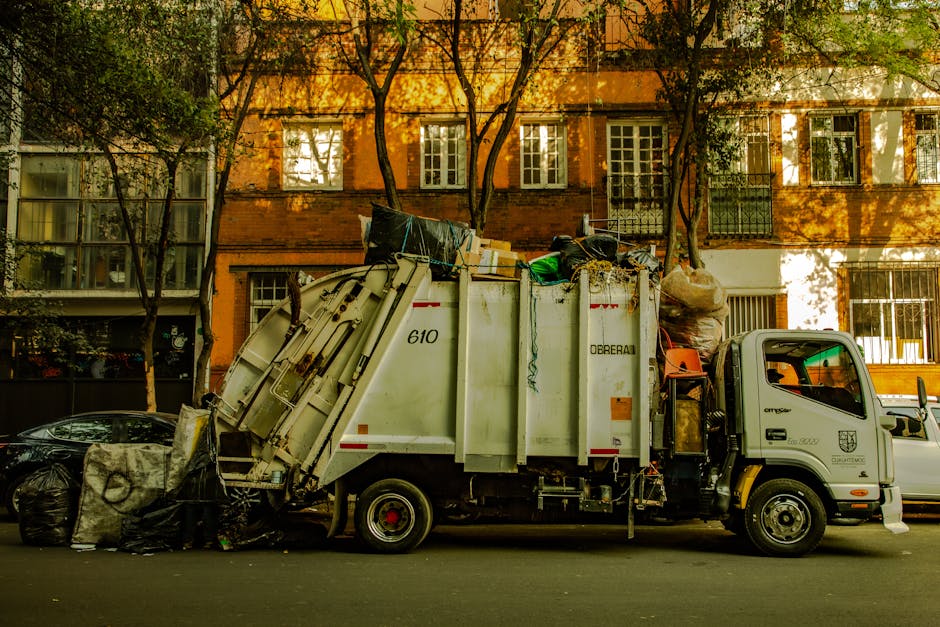
Bulky waste removal in Northolt: avoid disposal fines
Posted on 14/05/2026
If you've got an old sofa blocking the hallway, a broken freezer in the garage, or a pile of furniture that won't fit in the car, you're not alone. Bulky waste has a habit of building up quietly, then suddenly becoming urgent. And in Northolt, getting rid of it the wrong way can create a much bigger headache than the clutter itself. This guide to Bulky waste removal in Northolt: avoid disposal fines explains what counts as bulky waste, how to deal with it properly, what mistakes trigger penalties, and how to choose a sensible, lawful route that saves time and stress.
We'll keep this practical. No vague advice, no fluff. Just the kind of straightforward guidance that helps you clear space without making an expensive mess of it. If you're also planning a wider move or declutter, you may find it useful to look at decluttering before a move and the services overview to see how bulky waste removal fits into a bigger plan.
Why Bulky waste removal in Northolt matters
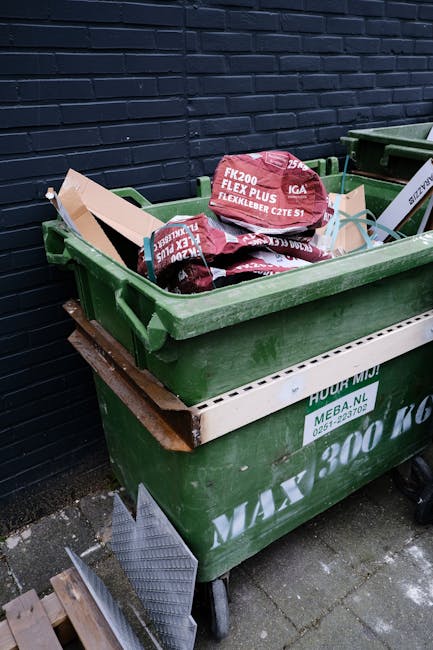
Bulky waste isn't just "big rubbish". It usually means items that are too large, heavy, or awkward for normal household bins and regular collection routines. Think wardrobes, mattresses, broken sofas, dining tables, office chairs, white goods, and mixed household items left over after a move or renovation.
The reason this matters in Northolt is simple: disposing of bulky items carelessly can lead to fly-tipping, blocked communal spaces, complaints from neighbours, and disposal fines. To be fair, people often don't mean to do anything wrong. They just want the stuff gone quickly. But "quickly" and "properly" are not always the same thing.
There's also a wider local impact. A mattress dumped behind a shop unit or a sofa left near a bin store can become everyone's problem in a very short space of time. Rain, pests, trip hazards, missed collections, and enforcement action can follow. If you're dealing with an end-of-tenancy clear-out, preparing a property before moving out can help you avoid the last-minute panic that often causes disposal mistakes.
Expert summary: The safest way to avoid disposal fines is to identify the item correctly, separate reusable from non-reusable waste, and use a lawful collection or removal route before anything is left on the pavement, by the bins, or in a shared area.
That last part is where a lot of people slip up. "Just putting it outside" sounds harmless until it isn't.
How Bulky waste removal in Northolt works
In plain English, bulky waste removal is the process of collecting, loading, and taking away items that can't be handled through normal day-to-day rubbish disposal. A proper service usually begins with a quick description of what needs removing, then checks access, weight, quantity, and whether any items need special handling.
For example, a single armchair is a very different job from a house full of old furniture, dismantled beds, and a freezer that still needs safe moving. Some jobs are a simple lift-and-go. Others need planning, tools, more than one person, or a vehicle with enough space and load capacity. If the item is awkward or heavy, the handling side matters as much as the transport side. The article on kinetic lifting and injury prevention is useful if you want a better sense of why technique matters, not just muscle.
Here's the basic flow most people should expect:
- Identify the items - list each bulky item and note whether it is reusable, broken, contaminated, or dismantled.
- Check access - stairs, narrow halls, parking, lift use, and distance from the property all affect the job.
- Separate what can be reused or donated - good items may not need to become waste at all.
- Arrange collection or removal - choose a service or disposal route that suits the item and the timeline.
- Prepare items safely - remove loose parts, empty drawers, drain appliances, and protect floors or walls if needed.
- Confirm where it is going - legitimate disposal should be traceable in normal industry practice, especially for mixed loads.
If you're moving rather than just clearing out, there's a close link between bulky waste removal and general removal planning. A well-ordered move often starts with a serious declutter, and then uses the right transport. That's where stress-free house move planning and Man with a van Northolt support can make life much easier.
Key benefits and practical advantages
There's a reason people choose professional bulky waste removal instead of trying to improvise. In our experience, the biggest benefit is not just speed. It's certainty. You know where the waste is going, who is handling it, and what happens if something is too large, too heavy, or too fragile to move alone.
Here are the main advantages:
- Lower risk of fines - you avoid the grey area of illegal dumping, misplaced items, or unclear responsibility.
- Less manual handling strain - bulky furniture can be awkward and genuinely hazardous without the right technique.
- Faster clear-down - ideal for tenancies, refurbishments, bereavement clearances, or sudden life changes.
- Better use of space - cleared rooms are easier to clean, decorate, inspect, or move through.
- More orderly disposal - recyclable, reusable, and non-reusable items can be sorted more sensibly.
- Less neighbour friction - no unsightly items sitting around in shared corridors or front gardens.
There's also a psychological benefit people underestimate. A cluttered room can feel like a job that never ends. Once the bulky items are gone, the whole place seems lighter. You can hear yourself think again. Slightly dramatic, maybe, but true.
If the item is still in decent condition, storage might be a temporary bridge rather than disposal. For example, a sofa you're keeping for a later property can be protected properly using advice from sofa storage best practices, while a freezer being replaced can be handled with care using unused freezer storage guidance.
Who this is for and when it makes sense
Bulky waste removal in Northolt makes sense for a surprisingly wide range of people. It's not only for homeowners with a full garage. Far from it.
You may need it if you are:
- moving house and need to clear old furniture before the move
- leaving a flat and want to avoid end-of-tenancy problems
- replacing large items like beds, wardrobes, sofas, or appliances
- managing a probate or inherited property that contains mixed furniture
- clearing a student flat between tenancies
- refreshing an office or workspace after a reconfiguration
- dealing with one-off bulky items that won't fit in a standard bin system
For students and short-term renters, the timing is often tight. You don't want a sofa still sitting in the hallway the day the keys go back. A quick arrangement through student removals in Northolt can make a lot of sense when your schedule is already packed. For families or long-term households, the issue is usually volume: one item becomes three, then five, then somehow an entire room.
There's a practical rule of thumb here: if an item is too big for your normal bin, too heavy to handle safely, or too awkward to leave waiting around, it's time to organise removal rather than improvise. Simple as that.
Step-by-step guidance
If you want to avoid disposal fines and reduce hassle, a methodical approach helps more than rushing. Here's a clear way to do it.
1. Make a full item list
Walk through the property and write down every bulky item. Include furniture, mattresses, appliances, shelving, and outdoor items. Be specific. "Large wood cabinet" is more useful than "stuff in spare room."
2. Decide what can be reused, donated, stored, or removed
Not everything needs to be waste. Some items are worth storing, repairing, or passing on. If you're unsure, compare the condition and the cost of holding onto it. A sofa in decent shape may be better preserved than thrown away. A mattress with deep wear? Less likely.
3. Separate hazardous or awkward items
Appliances, sharp-edged furniture, and anything with loose fittings need extra care. A freezer, for instance, is not just a box. It can be heavy, awkward, and messy if it hasn't been defrosted. For mattress removals, the article on moving beds and mattresses properly is a useful companion read.
4. Prepare the route out of the property
Check the stairs, doors, corners, parking access, and any tight spaces. If the item needs to be dismantled, do that in advance where possible. A few minutes spent removing legs, shelves, or cushions can save a lot of swearing later. Truth be told, it usually does.
5. Confirm the removal method
Choose the method that fits the load. A small one-off item may suit a man and van style collection. A bigger clear-out may need a fuller removal service. If you're comparing options, removal services in Northolt and removals Northolt pages can help you see where bulky waste fits within a wider move.
6. Keep records where appropriate
For business premises, lettings, or shared properties, it's wise to keep a note of what was removed and when. You don't need a filing cabinet full of paperwork. Just enough to show the job was handled properly if questions come up later.
7. Check the area before and after
Once the waste is gone, look around for screws, staples, dust, and broken bits of packaging. This final sweep is boring but effective. It also keeps corridors, driveways, and communal areas tidy for everyone else.
Expert tips for better results
A few small habits can make a big difference. These are the kinds of things that save time and reduce stress, especially if the job is on a deadline.
- Measure the bulky item before moving it if you are unsure whether it will fit through doors or stairwells.
- Use blankets or protective wraps for items travelling through a finished property, especially in narrow hallways.
- Empty drawers, shelves, and hidden compartments before lifting. They add weight and can shift unexpectedly.
- Take photos of valuable or complex items before dismantling, so reassembly or sorting is easier.
- Book sooner rather than later if you're on a tenancy deadline or moving day is already crowded.
- Bundle related tasks together - for example, packing, clearing, and removal are easier to handle in one coordinated plan.
If you're clearing a whole home, packing advice matters too. The guide on packing best practices for home transitions is helpful because the more organised your packing is, the easier it is to see what should stay, go, or be stored.
One more thing: don't underestimate the value of clear communication. If the item is oversized, access is awkward, or there's no lift, say so at the start. It avoids that awkward moment when two people arrive expecting a quick job and then discover a giant wardrobe on the third floor. Nobody enjoys that surprise.

Common mistakes to avoid
This is the section that can save you money. Most disposal fines and messy removal problems come from a handful of predictable mistakes.
- Leaving items beside communal bins and assuming someone else will deal with them.
- Dumping furniture in a nearby street because it feels "temporary". Temporary can become a fine very quickly.
- Ignoring access limitations such as narrow staircases, no parking, or lift restrictions.
- Trying to move heavy items alone and injuring yourself or damaging walls and flooring.
- Mixing reusable items with contaminated waste so nothing can be sensibly recovered.
- Forgetting appliance prep such as draining, defrosting, or unplugging before collection.
- Assuming every bulky item is handled the same way - it isn't.
There's also the classic "I'll deal with it tomorrow" mistake. Tomorrow turns into next week, and then the item starts living in the doorway like it pays rent. Not ideal.
If lifting is part of the job, it's worth reading how to lift heavy objects alone before you decide to do anything heroic. A pulled back will cost more than a collection, and it tends to happen at the least convenient time.
Tools, resources and recommendations
You don't need specialist equipment for every job, but the right basics help. For many households in Northolt, a few sensible tools make bulky waste removal far less chaotic.
| Tool or resource | Why it helps | Best for |
|---|---|---|
| Gloves | Protects hands from splinters, dirt, and sharp edges | Furniture, boards, mixed household waste |
| Dolly or sack truck | Reduces strain when moving heavy or boxy items | Appliances, drawers, short-distance moves |
| Blankets or covers | Prevents scuffs and helps protect walls | Hallway moves, stairs, tight access |
| Basic screwdriver or Allen keys | Useful for dismantling furniture before removal | Beds, wardrobes, flat-pack furniture |
| Labels or marker pens | Helps sort keep, store, donate, and remove piles | Decluttering and moving |
| Storage option | Buys time for items you are not ready to throw away | Good-condition furniture or overflow items |
Storage can be a smart bridge for items you may want later. If you are deciding whether an item truly needs to go, storage in Northolt can sometimes solve the problem without creating waste too soon. And if you're sorting into boxes before collection, packing and boxes in Northolt is a useful next step for tidier, safer handling.
For service planning, the most helpful recommendation is to match the tool to the task, not the other way around. A single truckload and a tight staircase do not call for guesswork. They call for a realistic plan.
Law, compliance, standards, or best practice
When people talk about disposal fines, they are usually referring to penalties linked to careless handling, fly-tipping, or leaving waste where it should not be. The exact situation can vary, but the practical message is consistent: once bulky waste is abandoned in the wrong place, responsibility can become messy fast.
Best practice in the UK generally means using a legitimate, traceable disposal route, especially for mixed household loads, appliances, and furniture leaving a property. That usually includes:
- making sure the waste is collected by a suitable service
- not leaving items in public or shared spaces
- keeping shared access routes safe and clear
- separating recyclable or reusable items where possible
- handling heavy items in a way that reduces injury and damage risk
For landlords, tenants, offices, and shared buildings, the standard of care is even more important because one person's poor decision can create a chain of complaints. If you are operating in a business context, office removals in Northolt and house removals in Northolt may be relevant where bulky waste is only one part of a larger relocation.
And while this article is practical rather than legal, the safest approach is always the same: don't guess. If an item is too large, too heavy, or too uncertain to handle casually, treat it as a planned removal job rather than a quick dump-and-run. That one habit saves a lot of trouble.
Options, methods, or comparison table
There are a few common ways to deal with bulky waste in Northolt. The right option depends on the item, urgency, access, and whether you want the least effort or the most cost control.
| Method | Best for | Pros | Watch-outs |
|---|---|---|---|
| Professional bulky waste removal | Furniture, appliances, mixed clear-outs | Fast, organised, lower manual handling risk | Needs upfront booking and accurate item details |
| Self-loading with a vehicle | Small quantities, DIY-minded households | Flexible, potentially cheaper | Heavy lifting, time, transport, and disposal responsibility |
| Storage first, dispose later | Items you may keep, resell, or reassess | Buys time and avoids rushed decisions | Can delay the real decision if you're not strict |
| Integrated removal service | Moves with declutter or end-of-tenancy clearance | One coordinated plan, less admin | Needs good planning and clear instructions |
For many readers, an integrated service is the sweet spot. If you are already moving or rearranging a property, combining bulky waste removal with furniture removals in Northolt or a broader local removal package can reduce duplicated lifting and repeated trips. Honestly, that's where a lot of the efficiency lives.
Case study or real-world example
Here's a realistic Northolt scenario. A family was preparing to leave a flat after several years. In the spare room sat an old sofa bed, two bedside tables, a broken freezer, and a stack of random items from the loft. The temptation was to leave the sofa bed downstairs "for collection later", because the move was already stressful and the van was due early the next morning.
Instead, they paused, listed everything, and split it into three groups: keep, remove, and reassess. The freezer was checked, defrosted, and scheduled for removal. The sofa bed was inspected and found not worth storing. The spare tables were dismantled. The loft pile turned out to contain a few reusable items that were boxed and stored. The result? Less clutter, easier packing, and no last-minute hallway blockage.
The small but important win here was timing. They did not wait until the final hour, when tiredness tends to make people careless. They also avoided the common "just leave it outside" trap that can attract complaints or penalties. That's the difference between a messy clear-out and a controlled one. Small shift, big result.
Practical checklist
Use this before arranging bulky waste removal in Northolt.
- List every bulky item clearly
- Decide whether each item is waste, reusable, or storable
- Check access, stairs, parking, and lift availability
- Empty drawers, shelves, and compartments
- Defrost or unplug appliances where needed
- Measure large items and doorways if movement is tight
- Protect floors, walls, and corners if the route is narrow
- Book the right removal method for the size of the job
- Keep the area clear until collection is complete
- Do a final sweep for screws, packaging, or loose parts
Quick reminder: if a bulky item is already creating risk, blocking access, or attracting complaints, don't let it sit there another week. That's usually when simple problems become expensive ones.
Conclusion
Bulky waste removal in Northolt is one of those jobs that looks straightforward until you start moving things. Then the weight, access, timing, and disposal rules all show up at once. The good news is that avoiding disposal fines is mostly about being organised, honest about the item's condition, and choosing a proper removal route before anything ends up dumped where it should not be.
Whether you're clearing a flat, preparing for a house move, or dealing with a one-off awkward item, the safest path is the same: sort it properly, handle it safely, and don't leave responsibility hanging around in a doorway. If you plan it well, the whole process feels lighter. Not perfect, maybe, but lighter. And that counts.
Get a free quote today and see how much you can save.