Road closure and temporary parking rules for Northolt moves
Posted on 30/07/2026

Moving house in Northolt sounds straightforward until the day itself arrives and the street outside is tighter than you expected. A van needs space, neighbours still need access, and a quick stop can turn awkward if the road is coned off or parking is restricted. That is exactly why understanding Road closure and temporary parking rules for Northolt moves matters so much. Get it wrong and you can lose time, frustrate everyone on the street, or end up doing a lot more carrying than planned. Get it right, and the whole move feels calmer, quicker, and far less chaotic.
This guide breaks down how local access issues usually affect moving day, what to check before the crew arrives, and how to plan around temporary restrictions without drama. We will also cover the most common mistakes, a practical checklist, and a few real-world examples that make the process easier to picture. If you are trying to keep a Northolt move smooth, this is the sort of prep that quietly saves the day.
Why Road closure and temporary parking rules for Northolt moves Matters
Most moving delays are not caused by the boxes themselves. They happen because the van cannot get close enough, the driver has nowhere legal to stop, or a temporary road closure blocks the obvious route. In a busy residential area like Northolt, that can mean longer carrying distances, more labour, extra waiting time, and a move that feels like it is running uphill before breakfast.
Temporary parking restrictions matter for another reason too: they shape how safely items can be loaded. If your sofa has to be wheeled from the far end of the street, or a mattress is being held upright in light drizzle while everyone waits for access, the whole job becomes more stressful than it needs to be. That is when planning ahead really pays off.
It is also worth saying, gently but plainly, that local parking and access arrangements are not just a nice-to-have. They can affect neighbour relations, building access, and how efficiently a crew can work. For flats, terraces, or narrow roads near busier routes, the right setup can be the difference between a tidy move and a messy one. To be fair, nobody remembers the perfect move; they remember the one where the van was parked badly and the lift took forever.
For readers looking into wider move planning, the guidance in this house move planning guide and these packing practices for home transitions can help tie the logistics together. Access is only one piece of the puzzle, but it is a pretty big piece.
How Road closure and temporary parking rules for Northolt moves Works
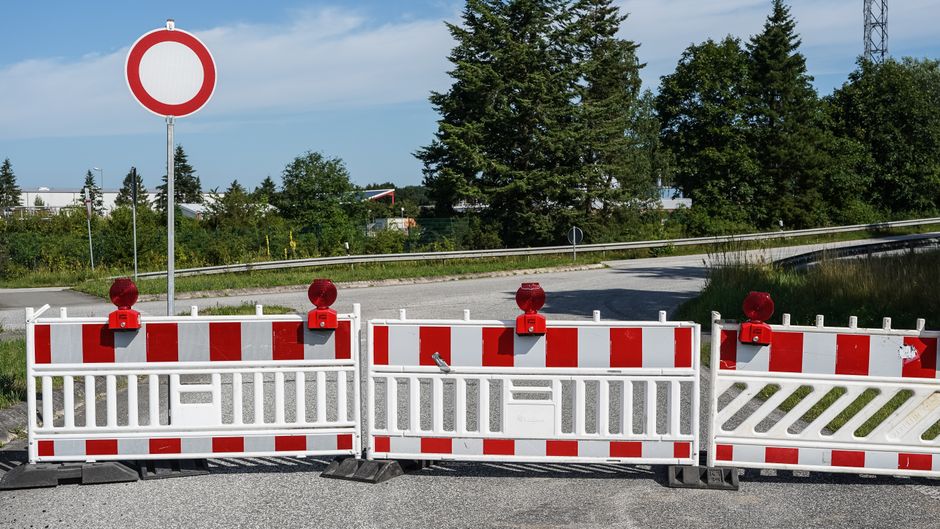
In simple terms, road closure and temporary parking rules affect where a moving van can legally stop, how long it can stay there, and whether the route to your property is open on the day. Sometimes the issue is a planned closure for roadworks, resurfacing, utility work, or local events. Sometimes it is a temporary parking bay suspension, waiting restriction, or loading bay limitation. The wording may sound dry, but the impact on moving day is very real.
What usually happens is this: the street or section of road is temporarily controlled, and parking that looks available may actually be off-limits. A moving team then has to either park elsewhere, work from a different approach, or adjust the schedule. On a quiet day that might be manageable. On a narrow Northolt street with several households trying to go about their business at once? Less so.
A lot of the time the practical answer is not complicated. You may need to arrange a safer stopping point, choose a wider road nearby, or plan for a shorter loading window. In some moves, especially near tighter routes or busier local roads, it helps to think through access before the first box is even taped shut. That sounds obvious, but it is the bit people often leave until Thursday night.
If you are dealing with a building that has awkward access, it may also be worth considering how furniture will be carried from van to doorway. The article on moving furniture through narrow stairwells in Northolt homes is a useful companion read here, because road access and internal access often go hand in hand.
What these restrictions usually affect
- Van stopping point: where the vehicle can legally load or unload.
- Loading time: how long the vehicle can stay in one place.
- Walking distance: how far movers carry items from the van to the property.
- Traffic flow: whether the route in or out remains open at the planned time.
- Neighbour access: whether nearby households still need road space.
Think of it as a chain reaction. A small restriction on the road can turn into a larger delay if it is not noticed early. And yes, the chain reaction can be maddeningly ordinary: one blocked bay, one missed sign, one van circling the block. Not exactly glamorous, but very common.
Key Benefits and Practical Advantages
Planning ahead for Northolt road closures and temporary parking controls is not just about avoiding trouble. It gives you practical advantages that show up in the quality of the move itself. You get shorter carrying routes, better timing, less stress for the driver, and far fewer last-minute decisions made under pressure.
One of the clearest benefits is time control. If the stopping point is arranged properly, the move becomes more predictable. Predictability matters because moving is full of unpredictable little things already: a box that weighs more than it should, a door that sticks, a neighbour asking if you can keep the noise down, and the mystery of where the kettle went. The road outside should not be one more unknown.
Another advantage is safety. Longer carrying distances increase the chance of fatigue, slips, knocks, or rushed handling. That is especially true for bulky items. If you are curious about safer handling more generally, the pieces on kinetic lifting and injury prevention and lifting heavy objects alone are relevant background reading.
There is also a neighbourliness benefit. A move that is clearly planned tends to cause less friction on the street. Nobody enjoys coming home to find a vehicle blocking the only sensible entry point. Even if you never meet the neighbours, the move still feels better when you have respected the shared space.
| Approach | What it usually looks like | Main advantage | Main drawback |
|---|---|---|---|
| Reactive planning | Arriving first, parking wherever seems possible, adjusting on the fly | Quick to set up | High risk of delay, stress, and poor access |
| Basic planning | Checking the road and leaving a buffer for parking | Reduces obvious issues | May still fail if there is a temporary closure |
| Access-led planning | Mapping stopping points, timing, and carrying routes in advance | Best for efficiency and control | Needs more preparation up front |
For many Northolt moves, access-led planning is the sweet spot. It does not have to be fancy. It just needs to be thought through. Simple, really.
Who This Is For and When It Makes Sense
This topic matters to almost anyone moving in Northolt, but it is especially important in a few common situations. If your property sits on a narrower road, a busy cut-through, a street with limited kerb space, or a place where loading is awkward, temporary parking and road restrictions can have a noticeable impact.
It is particularly relevant if you are:
- moving from or to a flat with shared access
- using a man with a van in Northolt for a small or medium move
- planning a larger family relocation that needs a dedicated loading space
- moving at short notice and cannot afford to waste time hunting for parking
- handling large items such as sofas, beds, or a piano
- trying to avoid disruption to neighbours or building residents
If you are moving a specialist item, access matters even more. A piano, for example, is not something you want to carry a long way from a poorly chosen parking spot. The article on hiring movers for a piano's journey shows why the parking setup and handling plan should be considered together.
Students and renters also run into this more often than they expect. Tenancy deadlines are usually fixed, and a small parking mistake can eat into precious hours. If that sounds familiar, you may also find this guide to urgent tenancy move-outs useful. Truth be told, the last thing anyone wants on move day is a clock ticking loudly in the background.
Step-by-Step Guidance
Here is a practical way to approach road closures and temporary parking rules without overcomplicating things. You do not need a spreadsheet worthy of a railway timetable. Just a sensible sequence.
-
Check the access route first.
Look at the street outside both properties and think about where a van could realistically stop. If the road is narrow, if there is a bend nearby, or if cars usually park tightly on both sides, assume space will be limited. That assumption is often safer than optimism.
-
Look for temporary restrictions.
Signs, cones, and suspension notices can change the picture quickly. A space that looked fine two days ago may be unavailable on move day. If you are unsure, build in a backup plan rather than hoping it sorts itself out.
-
Choose a realistic stopping point.
Sometimes the best loading point is not right outside the door. It may be a short walk away on a wider section of road. That is okay, as long as the route is safe and manageable. Shorter than a disaster, anyway.
-
Set a loading window with breathing room.
Do not plan a move so tightly that one delayed car parks everything else. Leave space for the van to arrive, park, and get loaded without feeling rushed. The difference between a calm move and a frantic one is often twenty spare minutes.
-
Protect the walking route.
Clear hallways, doorways, and front steps. If the route from van to property is a bit longer than expected, the internal route becomes even more important. A smooth path saves energy and reduces the risk of knocks.
-
Prepare for a plan B.
If the road is unexpectedly closed or a bay is blocked, know the nearest alternative stopping point. A crew that can switch quickly will usually stay calmer, and calm is contagious on moving day.
For the packing side of that preparation, packing and boxes in Northolt and this pre-move cleaning guide can help the property feel move-ready too. It all connects more than people think.
Expert Tips for Better Results
Here are the details that make a proper difference in practice.
- Don't wait until moving morning to check the street. Revisit the route the day before, and if possible at the same time of day. Traffic patterns can be oddly different by hour.
- Think about the van's turning room. A parking spot is only helpful if the vehicle can get in and out without a stressful reverse manoeuvre.
- Ask where the heaviest items are located. If the bulkiest furniture is upstairs, a slightly longer van walk can become a bigger issue than it first appears.
- Keep essential items separate. You do not want to dig for keys, paperwork, or the kettle when the van is waiting and the road space is ticking away.
- Use the quiet times if you can. Early starts often work better in areas where kerb space disappears quickly. Not always, but often enough to matter.
One small but useful habit is to speak plainly with your moving team about access. Tell them if there is a gate, a single-width lane, a corner that blocks larger vehicles, or a loading restriction that might surprise them. Nobody likes guessing. Guessing is where the little disasters breed.
If you are comparing different moving setups, the article on reading Northolt removals quotes can help you understand what is being priced in, especially when access might affect labour time or vehicle choice.
Common Mistakes to Avoid
Most access problems are preventable. The issue is usually not bad luck; it is a missing assumption. Here are the mistakes we see most often.
- Assuming parking will be available because it usually is. Temporary restrictions do not care what the street was like last month.
- Ignoring the return route. A van needs to leave as well as arrive. Sounds obvious, but it gets overlooked.
- Planning too tightly around a tenant handover or furniture delivery slot. One delay can ripple through the rest of the day.
- Forgetting how much longer carrying takes when the van is parked further away. Ten trips become twenty before you know it.
- Not checking if bulky items need extra access planning. Sofas, beds, freezers, and pianos all deserve a closer look.
- Leaving neighbours in the dark. A quick heads-up can reduce complaints and awkward encounters.
A very human mistake is simply underestimating the emotional load. Moving day already feels intense. Add a blocked road or a questionable parking bay and people start making rushed decisions. That is when silly things happen. The cure is boring, really: check early, plan a backup, and keep the day simple.
If you are dealing with large furniture or appliances, it may help to revisit sofa storage techniques and unused freezer storage advice. Not because storage is the main issue here, but because preparing bulky items correctly can make shorter loading windows much easier to handle.
Tools, Resources and Recommendations
You do not need a long list of specialist tools, but a few basics make planning smoother.
- Printed moving plan: useful for noting routes, parking fallback points, and timings.
- Phone photos of signs: handy if you need to remember exactly what the restriction said.
- Room-by-room inventory: helps estimate how long loading may take if the van must park further away.
- Boxes labelled by priority: so urgent items are not buried at the back of the van.
- Protective gloves and proper lifting aids: especially for longer carrying distances.
When it comes to recommendations, a good moving preparation process usually combines planning, packing discipline, and realistic scheduling. If you want a broader refresher, decluttering before the move can reduce the total load, while preparing a bed and mattress properly helps with some of the trickier items.
If you are moving in a tight time window, a same day removals service in Northolt can be useful, but only if the access plan is still realistic. Speed is great. Speed without parking space is just an expensive frustration.
Law, Compliance, Standards, or Best Practice
This is one of those subjects where careful wording matters. Road closures, waiting restrictions, and temporary parking controls can be set locally and may change depending on works, permits, or traffic management arrangements. The exact rules will depend on the street and the day, so it is wise to treat signs and notices seriously and not rely on memory.
Best practice for movers is straightforward:
- do not stop where signage says not to stop
- do not assume loading is allowed without checking the local restriction
- leave enough time to reposition if the first stop is unavailable
- avoid blocking access for emergency vehicles, residents, or pedestrians
- communicate early if the property has difficult access
Where a loading bay or parking arrangement is involved, the sensible approach is to make sure the vehicle setup matches the actual space available. One useful local read is the guide to permits for Northolt loading bays, which is helpful if you are trying to understand how controlled loading spaces affect moving day planning.
For households disposing of old furniture or unwanted items at the same time, remember that bulky waste rules can also matter. The article on bulky item rules Northolt residents need to know is a sensible companion piece, because many moves create more waste than expected.
Options, Methods, or Comparison Table
There is no single correct way to manage access. The best method depends on the street, the property, and how much you are moving. Here is a practical comparison.
| Method | Best for | Pros | Cons |
|---|---|---|---|
| Park directly outside | Wide streets with obvious kerb space | Fastest loading, easiest carrying | Often impossible in tighter parts of Northolt |
| Use the nearest legal stopping point | Areas with partial restrictions or narrow roads | Usually workable and safer than forcing it | Longer carrying distance |
| Pre-arranged loading bay or access slot | Controlled streets and busier routes | More predictable and organised | Requires advance planning and care |
| Small-vehicle or split-load approach | Very tight access or limited parking | Flexible and sometimes the only practical option | May take longer and need extra coordination |
For flats, upper-floor apartments, and shared buildings, the article on flat removals in Northolt can be useful because these moves often depend on access timing more than almost anything else. A calm route plan helps more than people expect.
Case Study or Real-World Example
Imagine a Northolt move from a first-floor flat on a road where street parking is already tight by mid-morning. The van cannot sit directly outside the building because a temporary restriction has taken one side of the road out of action for the day. The obvious response is to hope for a space. The better response is to find the nearest legal stopping point in advance and plan the carry route from there.
In this kind of move, the team can still stay efficient if the load is packed well, the largest items are identified early, and the property exit is clear. Instead of stopping every few minutes to shuffle things around, the movers keep a steady rhythm. A mattress comes out, then boxed items, then the awkward dresser with the snaggy drawer. There is a bit of sweat, sure, but no panic. And no one is muttering under their breath by 9:15 a.m., which is always a good sign.
Now compare that with a second scenario: no one checks the parking restrictions, the van arrives, and the closest space is suddenly unavailable. The driver circles the block, the movers wait, and items start piling up by the front door. The move still gets done, but it becomes slower, more tiring, and more expensive in practical terms. Same street. Same property. Completely different day, just because the access plan was handled differently.
This is why it is worth linking access planning with other move preparation tasks. If the street is awkward, the inside of the home should be as ready as possible. A well-packed move, such as the advice in these packing practices, helps the team work steadily even if the van has to park a little farther away.
Practical Checklist
Use this checklist a day or two before move day. It is plain, practical, and a bit old-fashioned, which is exactly what you want sometimes.
- Confirm the moving date and arrival window.
- Check for roadworks, closures, or event-related restrictions near both addresses.
- Look for temporary parking suspensions or loading restrictions.
- Decide where the van can stop legally and safely.
- Plan a backup stopping point if the first choice is unavailable.
- Tell the moving team about narrow streets, gates, or awkward turning space.
- Keep hallways, entrances, and stairwells clear.
- Set aside essentials separately so they are easy to grab.
- Let neighbours know if parking or access may be briefly affected.
- Check larger items for special handling needs.
- Keep keys, paperwork, and payment details to hand.
- Build in a small time buffer. Always.
If you are moving furniture as part of the job, a glance at furniture removals in Northolt can help you think through how the move will be handled as a whole, especially for heavier pieces that should not be dragged across a long route from the van.
Get a free quote today and see how much you can save.
Conclusion
Road closures and temporary parking rules can feel like a nuisance, but in practice they are just part of moving in a lived-in place like Northolt. Once you accept that access needs as much attention as packing, the whole process becomes easier to manage. A small amount of planning can save a lot of carrying, waiting, and stress. And honestly, that is a very good trade.
The best moves are rarely the ones where everything is perfect. They are the ones where the awkward bits were thought through early, the van had somewhere sensible to stop, and everyone knew the plan. Not flashy. Just effective.
So if your move is coming up soon, start with the street outside. Check the parking. Check the restrictions. Check the route. Then let the rest of the day unfold with a little more confidence. You will feel the difference before the first box is even lifted.